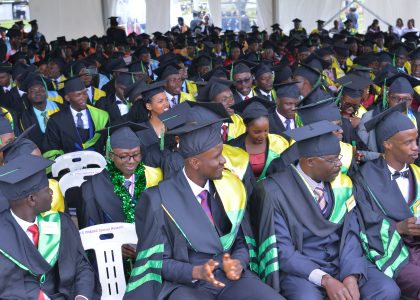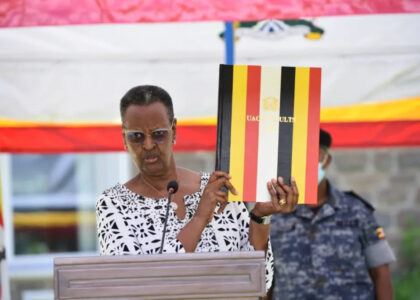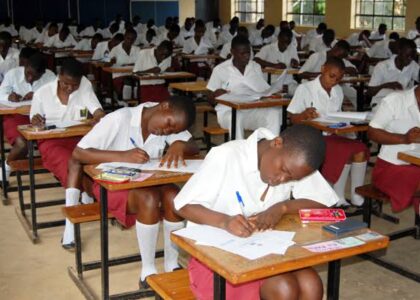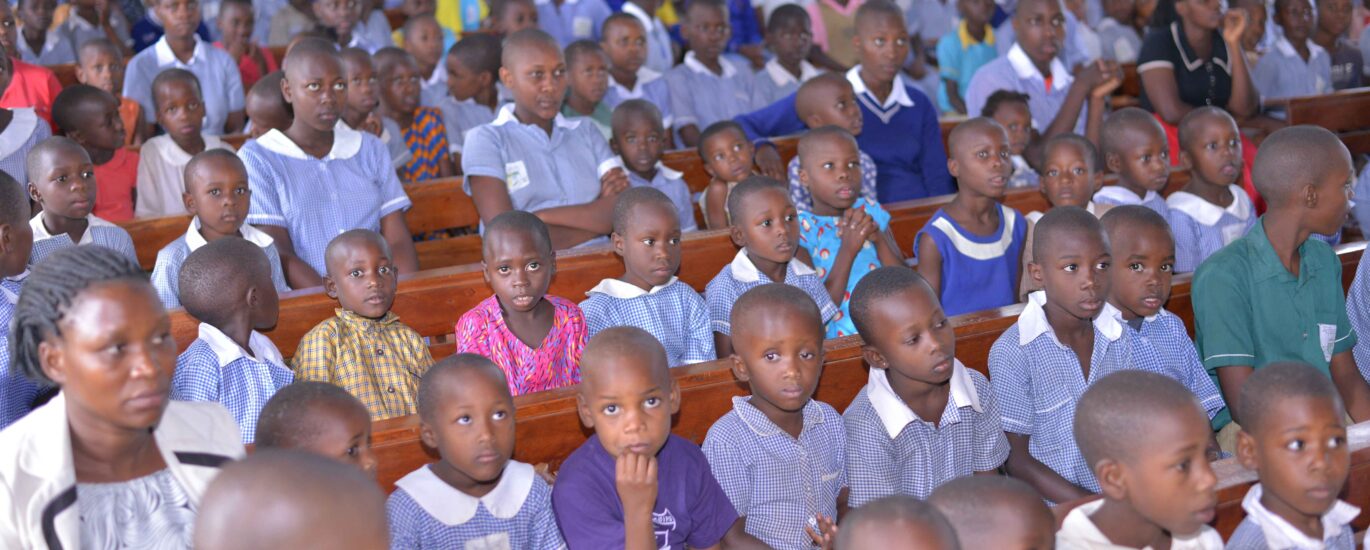
The system of education in Uganda follows a structured framework consisting of 7 years of primary education, 6 years of secondary education (divided into 4 years of lower secondary and 2 years of upper secondary school), and 3 to 5 years of post-secondary education. English serves as the medium of instruction throughout the education system, with modules taught and assessed in the English language.
Recognizing education as a fundamental human right, the Government of Uganda has made efforts to provide free primary and secondary education to all children in the country. However, various challenges, including funding constraints, teacher training, rural populations, and inadequate facilities, have hindered the progress of educational development in Uganda.
As of December 2023, enrollment statistics provided by the Ministry of Education and Sports (MOES) reveal the following figures for different education levels in Uganda:

These enrollment figures reflect the significant number of students enrolled across various levels of education, highlighting the ongoing efforts to expand access to education in Uganda.
One significant issue that persists in Uganda’s education system is the gender disparity faced by girls. Despite the government’s efforts to bridge the gap, girls encounter more substantial barriers when seeking education, leaving them disenfranchised.
Discrimination against girls in terms of education has resulted in their limited access to educational opportunities, exacerbating the gender imbalance in the country.